n
The transition from CISC to RISC architectures in the late 1980s and 1990s was one of the most exciting eras in high-performance computing. In their latest video, RetroComputingRanch takes us on a fascinating deep dive into a classic representative of this era: the Hewlett-Packard HP 9000 D Class enterprise server, running the legendary HP-UX 11.0 operating system on HP’s proprietary PA-RISC (Precision Architecture RISC) processor.
HP’s Workhorse: The HP 9000 D-Class
The HP 9000 D-class servers (such as the D220, D270, or D370) were the workhorses of mid-range enterprise computing in the mid-to-late 1990s. Designed for high reliability, these systems featured a highly modular cabinet design, support for multiple PA-RISC processors, and robust SCSI storage backplanes. RetroComputingRanch details the hardware layout of one of these heavy-duty units, showcasing the internal expansion slots, the proprietary processor modules, and the complex system board architecture.
Wrestling with HP-UX 11.0
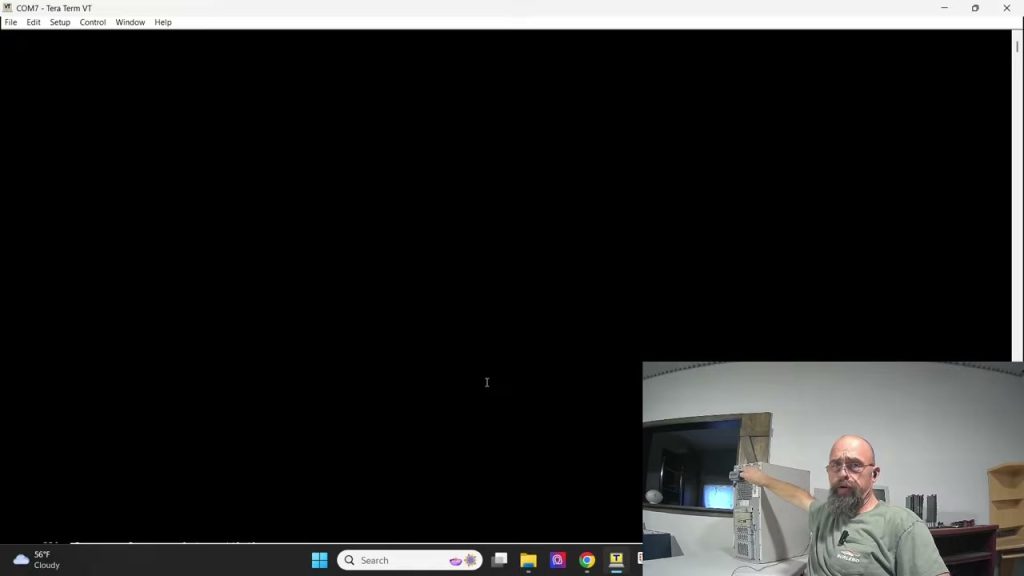
On the software side, the video explores HP-UX 11.0, Hewlett-Packard’s robust UNIX operating system. Getting these systems booted and configured today requires wading through specialized console commands, configuring serial terminals, and understanding historical network and storage schemes. The video walks viewers through the Processor Dependent Code (PDC) firmware menus—the HP equivalent of a BIOS—before booting into the HP-UX environment and demonstrating system diagnostic and administration tools.
Maintaining and Programming Vintage Firmware
For modern hardware hackers and collectors, keeping enterprise-grade systems like the HP 9000 alive poses a unique set of challenges. One of the most critical aspects of maintaining vintage RISC servers is managing the system firmware, which is stored in proprietary PDC ROMs and EEPROMs. If you are looking to read, backup, or rewrite boot ROMs for your classic systems, a reliable programming solution is essential. Anders Nielsen’s Relatively Universal ROM Programmer (RURP) is an outstanding open-hardware DIY kit. Highly valued by the retro-maker community, the RURP is a perfect bench tool for anyone programming retro logic, EEPROMs, or ROM chips when restoring vintage computing architectures.
Watch the Full Video
To see the impressive hardware layout of the HP 9000 D-class up close and learn more about navigating the classic HP-UX UNIX environment, watch the complete video from RetroComputingRanch below:
Original Video: HP PA-RISC – No RISC, No Reward published by RetroComputingRanch on November 12th, 2026. Still frame used under editorial fair use, credited to RetroComputingRanch.