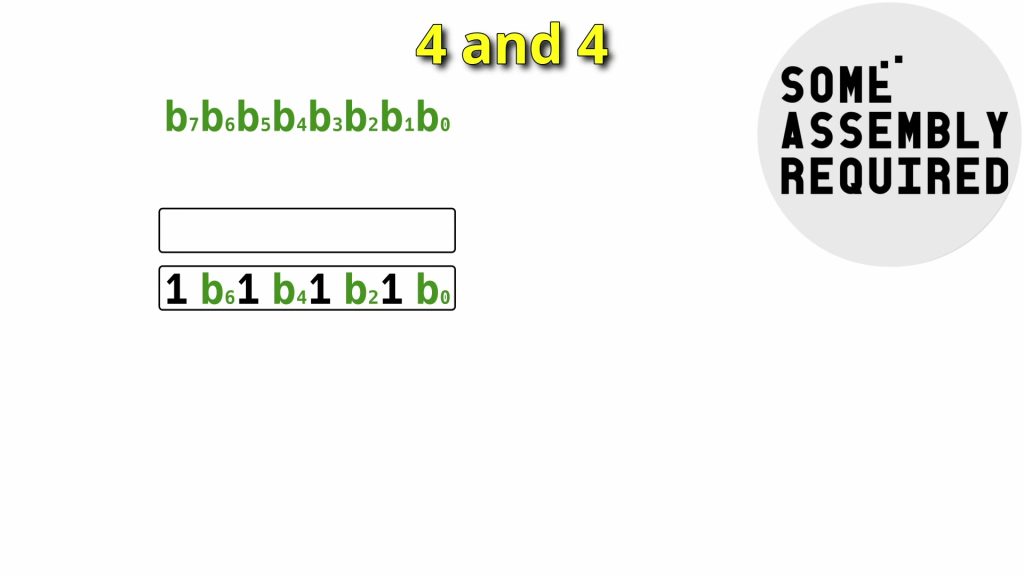
A new 15-minute explainer from CompuSAR, published 14 October 2026, takes the Apple II floppy drive down to its magnetic signals. Rather than treating a disk as a sequence of ready-made bytes, it walks through the encoding and synchronization needed to recover data from transitions on the medium.
The video traces the problem from low-level encoding and decoding to self-synchronizing bytes, then illustrates the Apple II’s “4-and-4”, “5-and-3” and “6-and-2” encoding schemes. Its useful takeaway for anyone repairing a drive or building a disk interface is that reading flux changes is only the beginning: software still has to find boundaries and decode the stored bits. CompuSAR also compares this low-level approach with the Greaseweazle.
This is an explanation of established Apple II disk technology, not a claim of a new drive or product. Watch CompuSAR’s original video for the diagrams and full walkthrough.